
Motor point acupuncture and electro-acupuncture are both used to address pain and movement restriction, but they differ in how stimulation is delivered and what therapeutic effect is emphasized. Understanding these differences helps determine which method may be more appropriate for a specific condition. Both techniques are part of the treatment options offered at Hosta Lane in Edmonton.
How Motor Point Acupuncture Works
Motor point acupuncture targets the spot where a motor nerve enters a muscle. The practitioner inserts a needle directly into this point to influence muscle contraction and ease excessive tension.
This method helps reset overactive muscle fibers, improves local circulation, and supports smoother movement. It works best when one or a few specific muscles drive pain or restrict motion.
How Electro-Acupuncture Works
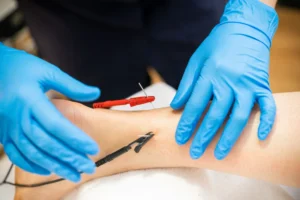
Electro-acupuncture uses regular acupuncture needles and then adds a gentle electrical current between selected points. The device delivers steady, rhythmic stimulation without the practitioner needing to move the needles by hand.
This method can influence larger muscle groups and nerve pathways at the same time. Practitioners often use it when symptoms involve wider areas or when the body needs longer-lasting stimulation. You can read more about this method under electro-acupuncture treatment.
Key Differences in Stimulation
Motor point acupuncture focuses on precise, single-muscle stimulation. In contrast, electro-acupuncture spreads stimulation across connected points using electrical pulses.
Motor point work often creates a quick muscle twitch that shows the muscle responded. Electro-acupuncture creates repeated stimulation over time, which affects a broader area. Therefore, the choice depends on whether the problem comes from one tight muscle or a larger pattern.
Comparison at a Glance
| Feature | Motor Point Acupuncture | Electro-Acupuncture |
|---|---|---|
| Primary focus | Individual muscle motor points | Connected points and nerve pathways |
| Type of stimulation | Manual needle stimulation | Electrical pulsed stimulation |
| Treatment scope | Localized muscle dysfunction | Broader muscular or nerve-related patterns |
| Typical use | Tight, overactive individual muscles | Persistent pain or wider tension patterns |
| Sensation | Brief twitch or deep ache | Rhythmic pulsing or tapping feeling |
Conditions Often Treated With Motor Point Acupuncture
Motor point acupuncture often helps when pain comes from one or more tight or overactive muscles. For example, practitioners use it for neck and shoulder tension, hip tightness, and localized back muscle restriction. It is usually chosen when a specific muscle limits movement instead of a widespread pain pattern.
Conditions Often Treated With Electro-Acupuncture
Electro-acupuncture often helps with persistent muscle pain, nerve-related discomfort, and conditions that affect a wider area. Practitioners commonly use it for back pain, radiating tension patterns, and some overuse injuries. Because the stimulation continues rhythmically, it supports pain control and tissue recovery across multiple points.
Which Patients Benefit Most From Motor Point Work
Patients with clearly identifiable tight muscles, limited range of motion, or pain triggered by muscle use often benefit from motor point techniques. This approach works well when treatment needs to target a precise muscular source. More details about this focused approach appear under motor point acupuncture services.
Which Patients Benefit Most From Electro-Acupuncture
Electro-acupuncture may suit patients who feel pain across a broader area or who show signs of nerve involvement. It also helps when manual techniques alone did not provide enough relief. This method can support care when both muscle and nerve factors contribute to symptoms.
How Treatment Is Chosen
Practitioners choose between these methods after assessing symptoms, movement patterns, and previous treatment response. Sometimes they use both approaches at different stages of care.
A clinical evaluation helps determine whether focused muscle stimulation or broader electrical input will better support recovery.
Booking an Appointment in Edmonton
An assessment helps clarify which technique fits the condition and goals. Patients in Edmonton can request an appointment through the Hosta Lane clinic website or the contact page to discuss care options.