
Many people exploring traditional Chinese medicine treatments wonder whether cupping or acupuncture is the better option for their symptoms. In Edmonton, both therapies are commonly used for pain relief, muscle tension, and circulation support. Hosta Lane provides both approaches as part of practitioner guided care, helping patients choose the right therapy based on their symptoms and treatment goals. While cupping and acupuncture share some foundational principles, they work differently in the body and are often used for different purposes.
Understanding the Difference Between Cupping and Acupuncture
Both cupping and acupuncture are offered through Hosta Lane as part of structured treatment plans, but they influence the body in distinct ways.
Acupuncture focuses on regulating internal systems through stimulation of specific points along meridians. Thin needles are used to influence pain signaling, inflammation, nervous system activity, and overall balance.
Cupping therapy works externally. Cups are applied to the skin using suction to lift tissue, increase blood flow, and release tension in muscles and fascia. This mechanical approach targets surface level restriction rather than internal regulation.
When Acupuncture Is Typically Recommended
Acupuncture is commonly used when symptoms involve pain, inflammation, or systemic imbalance rather than isolated muscle tightness. It is often recommended for joint related conditions, nerve irritation, and chronic pain patterns.
Acupuncture may be appropriate when:
• Pain is persistent or recurring
• Symptoms involve joints rather than only muscles
• Inflammation contributes to stiffness or discomfort
• Nervous system regulation is part of treatment goals
Because acupuncture works through meridians and internal balance, it is frequently used for conditions that extend beyond a single area of tension. Patients can learn more about acupuncture services in Edmonton and how treatment is structured.
When Cupping Therapy Is Often Used
Cupping therapy is typically used for muscle tension, circulation restriction, and fascia related tightness. The suction created by the cups lifts tissue and encourages localized blood flow.
Cupping is often recommended when:
• Muscle tightness limits movement
• Fascia feels restricted or dense
• Blood flow to a specific area is reduced
• Recovery from physical strain is needed
Temporary cupping marks may appear following treatment. These marks are not bruises and usually fade within several days as circulation improves. More information is available through cupping therapy services.
How Cupping and Acupuncture Complement Each Other
Cupping and acupuncture are often used together rather than separately. Cupping prepares tissue by increasing circulation and releasing surface level tension, while acupuncture addresses pain signaling and internal regulation.
Combination therapy may be used when:
• Muscle tension and joint pain occur together
• Circulation needs improvement before acupuncture
• Chronic pain involves both muscular and systemic factors
• Treatment needs to address multiple layers of restriction
Using both therapies allows care to be more targeted and adaptable.
Choosing the Right Therapy for Your Symptoms
The choice between cupping and acupuncture depends on the type of pain, location, and overall treatment goals. Muscle focused issues often respond well to cupping, while joint pain, inflammation, and chronic conditions are commonly addressed with acupuncture.
A qualified practitioner can determine whether one therapy or a combined approach is most appropriate based on assessment and response to care.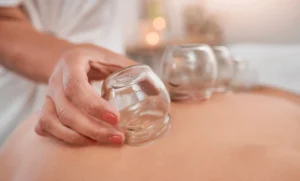
When to Book a Consultation
If pain, stiffness, or restricted movement interferes with daily activity, professional guidance can help identify the most effective treatment option. Early assessment often leads to better outcomes and more targeted care. Patients can contact Hosta Lane to discuss whether cupping, acupuncture, or a combination approach is appropriate.